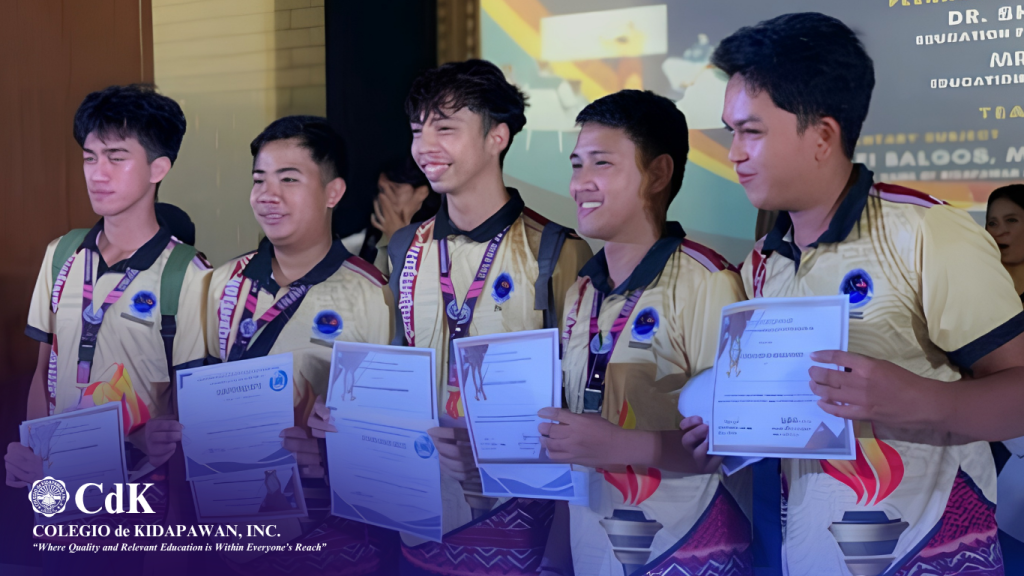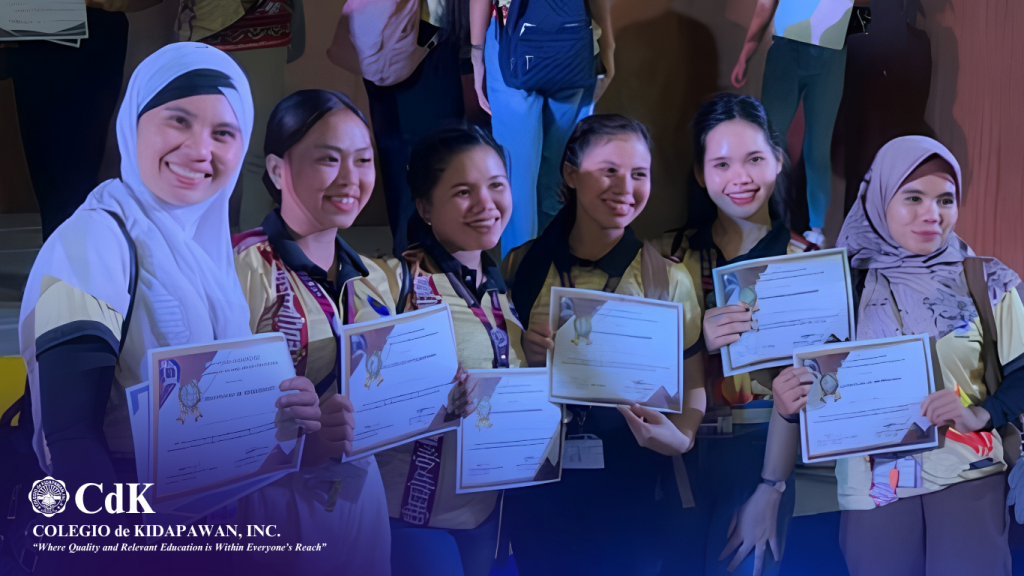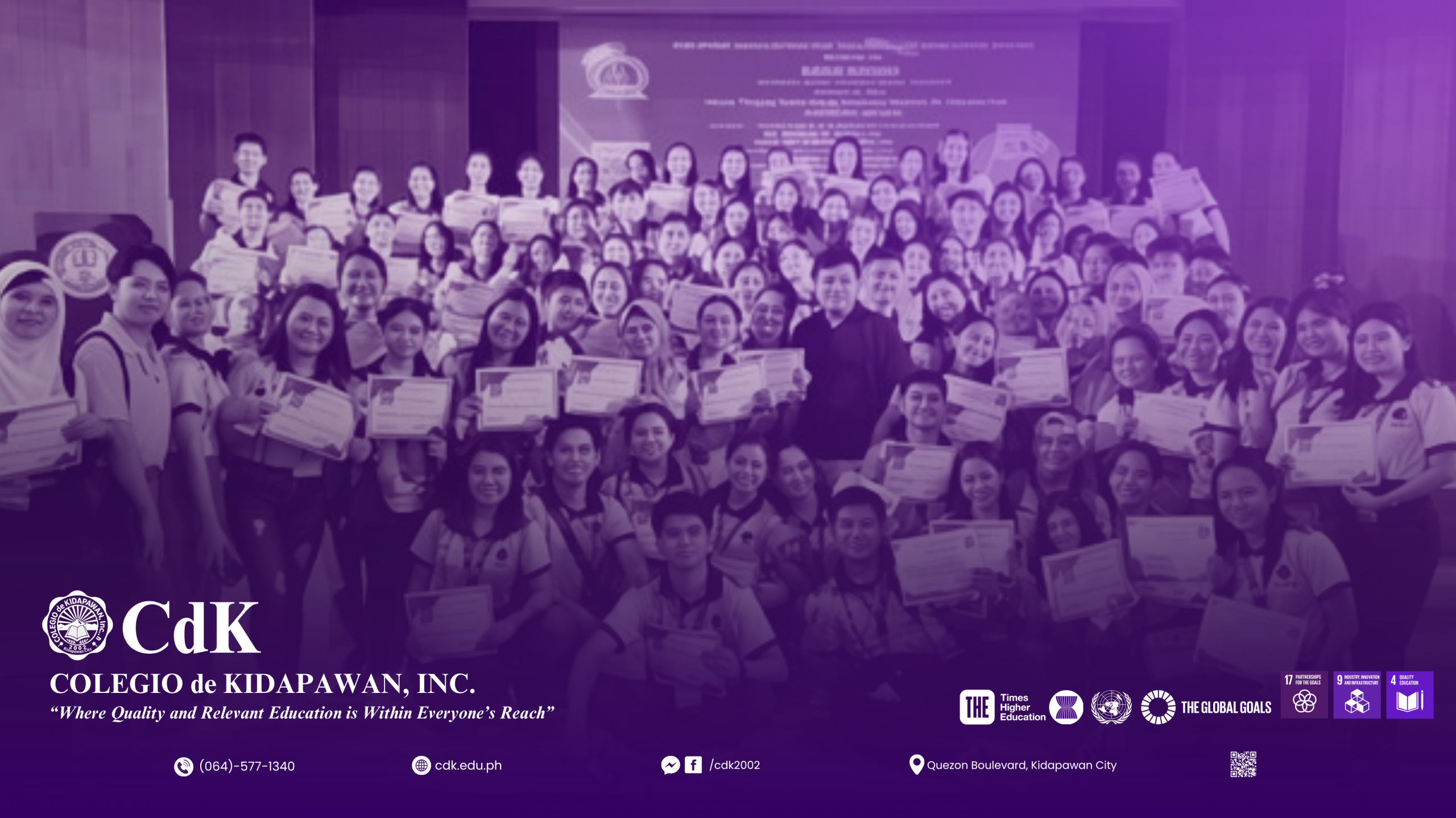
October 18, 2024 — Southern Baptist College in M’lang, Cotabato hosted the Philippine Association for Teachers and Educators (PAFTE) Region 12 Students’ Congress for Area 1 through a seminar themed, “Forging Future-Ready Pre-Service Teachers for Education 5.0: A MATATAG Approach.”
Area 1 includes Southern Baptist College (SBC), Central Mindanao Colleges (CMC), Cotabato Foundation College of Science and Technology (CFCST) Main and Extension, Notre Dame of Kidapawan College (NDKC), Colegio de Kidapawan (CdK), and Asian Colleges and Technological Institute (ACTI).
The seminar was timely and relevant as the Department of Education continues to implement curricular changes. It served as an opportunity for future educators to explore the offerings of the MATATAG Curriculum and respond positively to the evolving landscape of basic education.
MATATAG means resilient, adaptable, and ready to embrace the challenges and opportunities of Education 5.0. The program seeks to address basic education challenges through the following: MA — Make the curriculum relevant to produce job-ready, active, and responsible citizens; TA — Take steps to accelerate the delivery of basic education facilities and services; TA — Take good care of learners by promoting learner well-being, inclusive education, and a positive learning environment; and G — Give support to teachers to teach better.
The gathering of future educators was a testament to PAFTE Region 12’s commitment to equipping the next generation of teachers with the skills and knowledge needed to thrive in the evolving landscape of education.
Prof. Alvin Lynn P. Bergante, SBC President, warmly welcomed the participants to Southern Baptist College, while Dr. Honeylyn M. Mahinay, Chair of PAFTE Region 12, delivered the statement of purpose. Prof. Evelyn B. Bongco, MAEd, Secretary of PAFTE Region 12, introduced the organization’s officers and participants, setting the stage for a day of learning and collaboration.
The first plenary session, led by Dr. Krizler C. Tanalgo, faculty member of the Department of Biological Science at the University of Southern Mindanao (USM), focused on publication and research. Dr. Tanalgo provided insights into the evolving landscape of education and the vital role of research in shaping the future of teaching. He emphasized the importance of conducting research that addresses real-world problems and contributes to the advancement of the field. He also discussed the growing role of technology in research, particularly the use of language artificial intelligence (AI), and encouraged participants to explore the ethical implications of incorporating AI into their work.
The second plenary session, titled “MATATAG Curriculum,” featured Dr. Shienna Lyn L. Antenor, Education Program Supervisor of DepEd Region 12, and Mr. Jay-Ar S. Lipura, Representative for Mathematics from DepEd Region 12. They presented the MATATAG Curriculum as a framework designed to equip Filipino learners with the skills and knowledge needed to thrive in the 21st century. They emphasized the importance of developing oracy, 21st-century skills, and digital literacy, while highlighting the curriculum’s alignment with the existing K to 12 framework. They clarified that MATATAG is not an entirely new curriculum but a revision and improvement of the existing K to 12 framework, incorporating new approaches and strategies to address the evolving needs of education.
“MATATAG” in Action: Engaging Teaching Strategies
The afternoon session brought the MATATAG approach to life through engaging demonstrations from two expert teachers.
Lionelle Rei Balgos, a Master of Education in Special Education specialist, showcased how to make English learning fun and accessible for diverse learners through storytelling, games, and visual aids. He emphasized the importance of creating a dynamic and inclusive classroom environment where all students feel supported and empowered.
Meanwhile, Remar P. Sino of MAFIL demonstrated how to build MATATAG learners through interactive Filipino lessons that incorporated traditional games, riddles, and folk songs. He highlighted that effective teaching is not merely about delivering information but about creating engaging and meaningful learning experiences for all learners. He also stressed the importance of fostering cultural awareness and developing oracy skills among Filipino learners, creating a classroom environment that values and celebrates Filipino culture.
Grounded in SDG 4: Quality Education, the seminar strengthened future teachers’ understanding of inclusive, learner-centered, and responsive teaching practices. It also supports SDG 9: Industry, Innovation, and Infrastructure by encouraging the responsible use of research, digital tools, and emerging technologies in education. Furthermore, the collaboration among higher education institutions, DepEd, and PAFTE Region 12 reflects SDG 17: Partnerships for the Goals, demonstrating how shared efforts can help shape future-ready educators and stronger learning communities.